.gif)

Key Takeaways
- Mobile marketing is essential for restaurants to attract and retain customers in 2025.
- A branded mobile app boosts loyalty, repeat orders, and commission-free sales.
- SMS and push notifications drive immediate engagement with high open rates.
- QR codes, mobile reservations, and payment options enhance convenience.
- Tracking metrics ensures continuous improvement and higher ROI.
In an era where smartphones dominate our daily lives, restaurant mobile marketing has emerged as a game-changer for the food service industry. As customers increasingly rely on their mobile devices to discover, evaluate, and order from restaurants, having a strong mobile presence is no longer optional—it's essential for survival and growth in today's competitive market.
But how exactly can restaurant owners leverage mobile marketing to drive more orders, increase customer loyalty, and boost revenue? Let's dive into the world of restaurant mobile marketing and explore strategies that can transform your digital presence and help your business thrive.
What is Mobile Marketing for Restaurants?
Mobile marketing for restaurants encompasses all digital promotional activities that target customers on their smartphones, tablets, or other mobile devices. This includes SMS campaigns, mobile-optimized websites, restaurant apps, push notifications, mobile-friendly emails, and location-based marketing strategies.
These approaches allow restaurants to communicate offers, promotions, new menu items, and delivery updates in real-time, meeting customers where they spend a significant portion of their day—on their mobile devices.
Why Mobile Marketing is Essential for Restaurants in 2025
The restaurant industry has undergone a dramatic digital transformation, accelerated by changing consumer behaviors and technological advancements. Here's why mobile marketing is now indispensable for restaurants:
- Shifting Consumer Behavior: According to recent studies, over 80% of diners search for restaurants on their mobile devices before deciding where to eat, and 76% order food online using their smartphones.
- Competitive Advantage: Despite these trends, many restaurants still lack a comprehensive mobile marketing strategy, creating an opportunity for forward-thinking owners to gain a significant edge. Ensure your restaurant's website is mobile-friendly to attract and retain customers.
- Direct Customer Communication: Mobile channels provide direct access to customers without third-party interference or commissions, allowing for personalized engagement and higher profit margins.
- Enhanced Customer Experience: Mobile ordering, reservations, and payments create a frictionless experience that today's convenience-focused customers expect and appreciate.
- Valuable Data Collection: Mobile interactions generate rich customer data that can inform menu development, pricing strategies, and personalized marketing campaigns.
For restaurant owners feeling the squeeze of third-party delivery commissions and increasing competition, mobile marketing offers a path to greater control, higher margins, and stronger customer relationships.
Key Mobile Marketing Strategies to Grow Your Restaurant
Let's explore the most effective mobile marketing strategies that can help your restaurant increase visibility, drive more orders, and build lasting customer loyalty.
Develop a High-Performing Mobile App
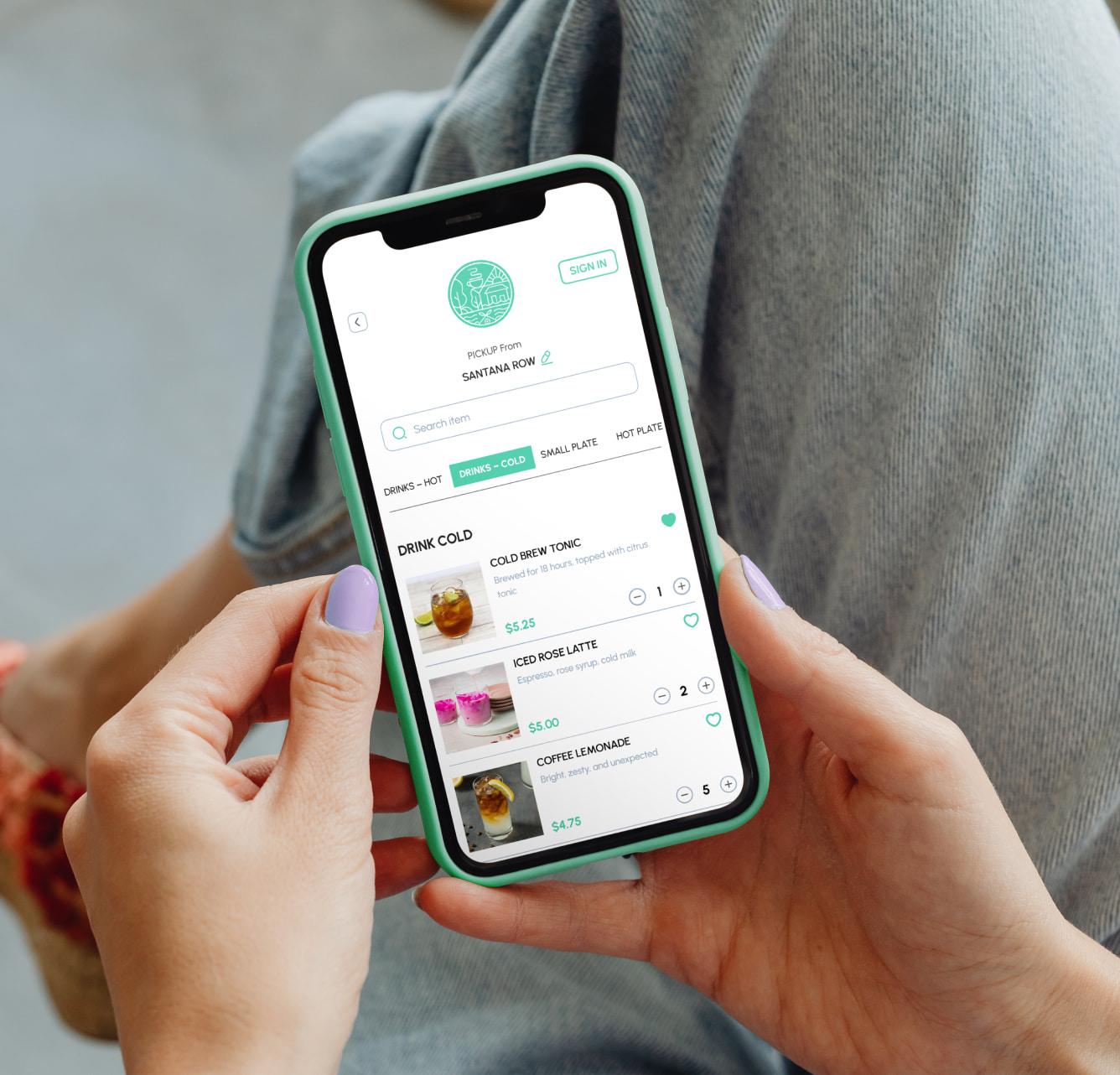
A well-designed restaurant mobile app isn't just a digital menu—it's a powerful marketing tool that creates a direct channel between you and your customers. Many restaurants still lack a user-friendly app, putting them at a disadvantage in today's competitive market.
Key Features of a Great Restaurant App:
- Intuitive Design: Keep the interface clean, visually appealing, and easy to navigate with minimal clicks to complete an order.
- Personalized Push Notifications: Send targeted messages about special deals, discounts, and promotions based on customer preferences and behavior.
- Commission-Free Ordering: Offer direct ordering through your app to avoid third-party fees and maintain higher profit margins.
- Loyalty Program Integration: Reward repeat customers with points, exclusive offers, and birthday rewards to encourage retention.
- Order History and Favorites: Allow customers to easily reorder their favorite meals with a single tap.
- Real-Time Order Tracking: Provide transparency and reduce anxiety by letting customers monitor their order status.
A well-executed app fosters customer loyalty, increases repeat orders, and provides valuable data about customer preferences.
Enable Mobile Reservations for a Frictionless Experience
Today's diners value convenience above all else. Mobile reservations eliminate unnecessary friction in the dining experience by allowing guests to:
- Book tables instantly without waiting on hold
- Browse menus and specials before arriving
- Receive automated confirmation and reminder notifications
- Pre-order meals to reduce wait times
- Modify or cancel reservations without awkward phone calls
Implementing a mobile reservation system not only improves the customer experience but also helps you manage table turnover more efficiently and reduce no-shows through automated reminders.
Optimize Promotions Specifically for Mobile Users
Mobile users interact with content differently than desktop users, making it crucial to tailor your promotions specifically for mobile viewing and engagement.
- Mobile-Friendly Email Marketing: Studies show that 72% of users delete emails that aren't optimized for mobile. Ensure your newsletters and promotional emails load correctly on all screen sizes with large, tappable buttons and concise content.
- Social Media Advertising: Platforms like Instagram and Facebook offer restaurant-specific ad formats optimized for mobile users, including "Order Food" buttons that streamline the conversion process.
- Time-Sensitive Offers: Use mobile channels to promote flash sales, happy hour specials, and limited-time offers that create urgency and immediate action.
- Visual Content: Invest in high-quality food photography that looks appetizing even on small screens, as visual appeal drives mobile conversions for restaurants.
Remember that mobile promotions should be concise, visually appealing, and designed with quick action in mind—users scrolling on their phones are often making rapid decisions.
Strengthen Your Online Presence with Local Listings
When hungry customers search for restaurants on their mobile devices, your business needs to appear in local search results. Ensure your restaurant is visible by optimizing your presence on:
- Google Business Profile: Complete every section of your profile with accurate information, high-quality photos, updated menus, and direct ordering links.
- Apple Maps: Often overlooked by restaurant owners, Apple Maps is the default navigation app for all iPhone users.
- Yelp: Claim and optimize your Yelp business page, as it feeds into multiple other platforms and apps.
- TripAdvisor: Particularly important for restaurants in tourist areas.
- Facebook Business: Ensure your restaurant page includes accurate hours, location, and mobile ordering options.
Consistent information across all platforms is crucial—discrepancies in hours, addresses, or phone numbers can frustrate potential customers and damage trust.
Utilize SMS Marketing for Instant Engagement
With open rates exceeding 98%, SMS marketing offers unparalleled reach and immediacy. People check their phones frequently throughout the day, making text messages one of the most direct ways to influence dining decisions.
- Personalized Offers: Send targeted discounts based on previous ordering habits or preferences.
- Strategic Timing: Schedule messages before typical meal decision times for maximum impact.
- Limited-Time Promotions: Create urgency with flash deals that expire within hours.
- Loyalty Rewards: Notify customers when they've earned rewards or when points are about to expire.
- Order Updates: Send preparation and delivery status notifications to enhance the customer experience.
Remember that SMS marketing requires explicit opt-in from customers and should be used judiciously to avoid message fatigue. Quality and relevance trump quantity when it comes to text message marketing.
Implement Commission-Free Online Ordering
Online ordering is no longer optional—it's essential. Since the pandemic, over 65% of consumers prefer ordering food online rather than dining out. However, third-party delivery platforms often charge commissions of 15-30%, significantly cutting into restaurant profits.
Implementing your own commission-free online ordering system through your website and mobile app allows you to:
- Retain 100% of your profits from each order
- Maintain direct relationships with your customers
- Collect valuable customer data for future marketing
- Control the entire ordering experience from start to finish
- Offer loyalty rewards that encourage repeat business
Restolabs' Online Ordering System provides a seamless, commission-free solution that integrates with your existing website and POS system, allowing you to start accepting online orders quickly without technical headaches.
Leverage QR Codes for Seamless Customer Access
QR codes have experienced a renaissance, becoming an essential tool in restaurant mobile marketing. These scannable codes create instant connections between physical spaces and digital experiences.
- Digital Menus: Replace physical menus with QR menus that link to your updated digital menu, reducing printing costs and allowing for real-time updates.
- Tableside Ordering: Enable customers to place orders directly from their table without waiting for service.
- Contactless Payments: Streamline the checkout process with QR code payment options.
- Loyalty Program Enrollment: Make it easy for customers to join your rewards program with a quick scan.
- Customer Feedback: Collect valuable feedback by linking QR codes to short surveys.
QR codes are particularly effective because they bridge the physical and digital worlds, creating seamless pathways to your online ordering system, social media profiles, or special promotions.
Offer Multiple Mobile Payment Options
Today's consumers expect convenience and flexibility in how they pay for meals. With the rise of mobile wallets and contactless payments, restaurants must accommodate diverse payment preferences to avoid cart abandonment.
Consider implementing these popular mobile payment options:
- Digital Wallets: Apple Pay, Google Pay, and Samsung Pay allow for quick, secure transactions.
- Contactless Credit Cards: Enable tap-to-pay functionality for physical cards.
- PayPal and Venmo: Particularly popular among younger demographics.
- In-App Payments: Allow customers to store payment information for one-click ordering.
- Split Bills: Offer the ability to divide checks easily among multiple people.
The more payment options you provide, the fewer barriers customers face when completing their purchase. Restolabs integrates with multiple payment providers, making it easy to offer various options to your customers.
Encourage Customer Reviews to Build Credibility
Online reviews significantly influence restaurant selection, with 94% of diners reporting that online reviews impact their dining decisions. Mobile devices make it easier than ever for customers to leave reviews—both positive and negative.
Proactively managing your review strategy can help build credibility and attract new customers:
- Post-Purchase Requests: Send automated SMS or email requests for reviews after a positive dining experience.
- QR Code Links: Place QR codes on receipts or table tents that link directly to your review profiles.
- Incentivize Feedback: Offer small rewards like a free appetizer or discount on their next visit for leaving honest feedback.
- Respond Thoughtfully: Address all reviews—positive and negative—professionally and constructively.
- Showcase Testimonials: Feature positive reviews on your website and social media channels.
Remember that the goal isn't just to accumulate positive reviews but to create a feedback loop that helps you continuously improve your offerings and customer experience.
Use Location-Based Marketing and Geofencing
Location-based marketing leverages mobile GPS technology to target potential customers based on their physical location. This strategy is particularly powerful for restaurants, as dining decisions are often made based on proximity and convenience.
Here's how to implement location-based marketing for your restaurant:
- Geofencing: Create virtual boundaries around your restaurant, competitor locations, or complementary businesses (like movie theaters or shopping centers). When potential customers enter these areas, they receive targeted promotions.
- Proximity Marketing: Send special offers to people within a certain radius of your restaurant during slow business hours.
- Check-In Rewards: Encourage customers to check in on social media platforms when visiting your restaurant in exchange for small rewards.
- Local Search Ads: Invest in mobile ads that appear when users search for restaurants "near me" or in your neighborhood.
Location-based marketing creates timely, relevant connections with potential customers when they're most likely to convert, making it one of the most effective mobile marketing strategies for restaurants.
Harness AI and Voice-Enabled Technologies for Future Growth
As we look toward the future of restaurant mobile marketing, artificial intelligence and voice search optimization are becoming increasingly important. Forward-thinking restaurant owners are already preparing for these emerging technologies.
- Voice Search Optimization: Optimize your online presence for voice searches like "Hey Siri, find Italian restaurants near me" by including conversational keywords and local information in your digital content.
- AI-Powered Chatbots: Implement intelligent chatbots on your website and social media channels to handle reservations, answer common questions, and facilitate orders 24/7.
- Predictive Ordering: Use AI to analyze customer ordering patterns and suggest personalized recommendations, increasing average order value.
- Smart Speaker Skills: Develop custom skills for Amazon Alexa or Google Home that allow customers to place orders or check your daily specials through their smart speakers.
These technologies not only enhance the customer experience but also provide valuable data insights that can inform your broader marketing and business strategies.
Measuring Success: Tracking ROI and Customer Engagement
Implementing mobile marketing strategies is only half the battle—measuring their effectiveness is equally important. Without proper tracking, it's impossible to know which initiatives are driving results and which need refinement.
Key metrics to monitor include:
- App Downloads and Active Users: Track not just how many people download your app but how many actively use it.
- Conversion Rates: Measure the percentage of mobile visitors who complete desired actions like placing orders or making reservations.
- Average Order Value: Compare mobile orders to other channels to see if mobile customers spend more or less.
- Customer Acquisition Cost: Calculate how much you're spending to acquire each new mobile customer.
- Retention and Frequency: Monitor how often mobile customers return and order compared to other channels.
- SMS and Push Notification Engagement: Track open rates, click-through rates, and conversion rates for your mobile messaging.
Most mobile marketing platforms provide built-in analytics, but you can also use tools like Google Analytics, Facebook Pixel, and custom UTM parameters to track the customer journey across different touchpoints.
Regular analysis of these metrics will help you refine your mobile marketing strategy, allocate your budget more effectively, and maximize your return on investment.
Final Thoughts: Make Mobile Marketing Work for You
Mobile marketing for restaurants isn't just about keeping up with technology—it's about meeting your customers where they are and providing the convenience they expect. As smartphone usage continues to grow and consumer behaviors evolve, restaurants that embrace comprehensive mobile marketing strategies will have a significant advantage over those that don't.
Remember that successful mobile marketing is an ongoing process, not a one-time implementation. Start with the strategies that align best with your restaurant's goals and customer base, then gradually expand your efforts based on performance data and customer feedback.
By creating seamless mobile experiences, from discovery to ordering to payment, you'll not only increase your immediate sales but also build lasting relationships with customers who appreciate the convenience and personalization you provide.
Elevate Your Restaurant's Mobile Presence with Restolabs
At Restolabs, we understand the unique challenges restaurant owners face in today's digital landscape. Our commission-free online ordering system, mobile app solutions, and QR code technology are specifically designed to help restaurants of all sizes implement effective mobile marketing strategies without technical headaches or excessive costs.
Our platform integrates seamlessly with your existing systems, allowing you to maintain complete control over your customer relationships while providing the mobile-friendly experience today's diners demand.
Ready to take your restaurant's mobile marketing to the next level? Schedule a Demo today and discover how Restolabs can help you boost sales, increase customer loyalty, and grow your business.
Frequently Asked Questions
Mobile marketing for restaurants encompasses all digital promotional activities targeting customers on smartphones and tablets. This includes mobile-friendly websites, restaurant apps, SMS campaigns, push notifications, QR codes, and location-based marketing. These channels allow restaurants to communicate directly with customers, promote special offers, facilitate online ordering, and build loyalty through a device that's always within arm's reach of potential diners.
Mobile marketing is crucial for restaurants because over 80% of diners search for restaurants on mobile devices before deciding where to eat. Additionally, 76% of consumers order food using their smartphones, and this number continues to grow. Restaurants with strong mobile marketing strategies enjoy increased visibility, higher order frequency, better customer retention, and freedom from third-party commission fees. In today's competitive landscape, mobile marketing provides the direct customer connection needed to build sustainable growth.
To make your restaurant website mobile-friendly, focus on responsive design that automatically adjusts to different screen sizes, fast loading speeds (under 3 seconds), simplified navigation with clear call-to-action buttons, tap-friendly elements (at least 44x44 pixels), readable text without zooming, compressed images for faster loading, prominent contact information and hours, and an easily accessible online ordering button. Regularly test your site on various devices and use Google's Mobile-Friendly Test tool to identify and fix potential issues.
Yes, having a dedicated restaurant app provides significant advantages, including commission-free ordering that saves 15-30% compared to third-party platforms, direct customer communication through push notifications (which have 4-10x higher engagement rates than email), built-in loyalty programs that increase repeat business, valuable customer data collection, and a branded experience that keeps your restaurant top-of-mind. While developing an app requires investment, solutions like Restolabs offer cost-effective options that can deliver strong ROI through increased order frequency and higher average ticket sizes.
QR codes offer numerous advantages for restaurants, including contactless menu access that eliminates printing costs and allows for real-time updates, streamlined ordering and payment processes that reduce wait times and staff workload, easy loyalty program enrollment, instant access to your social media profiles and review platforms, valuable tracking data on customer engagement, enhanced hygiene perception, and the ability to quickly launch limited-time promotions without printing new materials. QR codes effectively bridge the physical and digital experience, creating seamless pathways to your online presence.