.gif)

Key Takeaways
- Customer retention is more profitable than acquisition — businesses are up to 70% more likely to sell to existing guests.
- Loyalty programs drive repeat revenue through personalized offers, better engagement, and higher order frequency.
- Restolabs offers an ideal solution for small to mid-sized restaurants, combining commission-free online ordering with integrated loyalty tools.
- Enterprise platforms like Punchh and Incentivio are powerful but costly, making them better suited for large chains with complex needs.
- Hang and Spoonity provide lightweight, creative loyalty options, perfect for QSRs, cafes, and businesses looking for easy-to-deploy solutions.
In today’s competitive restaurant landscape, especially across quick-service, multi-location, and independent establishments, building customer loyalty isn’t just a marketing strategy; it’s a survival imperative. With diners expecting personalized offers, seamless digital ordering, and rewarding experiences, loyalty platforms have evolved from simple punch cards into powerful tools that unify marketing, data, and guest engagement. Whether you're a growing QSR chain or a neighborhood favorite with multiple outlets, choosing the right loyalty technology can directly impact customer retention and revenue growth.
This article explores six prominent loyalty solutions—Restolabs, Como, Hang, Incentivio, Punchh, and Spoonity—analyzing their feature strengths, known drawbacks, and pricing models. While each brand offers unique value, their fit depends on your restaurant’s size, tech readiness, and long-term growth goals.
We’ve done the deep dive to help you make an informed choice and highlight where each solution shines (or struggles) in the loyalty landscape.
Understanding Restaurant Loyalty Software
In the restaurant industry, customer retention is far more profitable than constant customer acquisition. Studies show that the likelihood of selling to an existing customer is 60–70%, while for a new customer, it's just 5–20%. This makes retention—not just foot traffic—a critical growth lever.
That's where restaurant loyalty software comes in.
By combining data, automation, and personalized incentives, loyalty platforms help restaurants turn occasional guests into regulars—reducing churn, increasing order frequency, and boosting revenue over time.
The Evolution: From Punch Cards to Restaurant Loyalty Apps
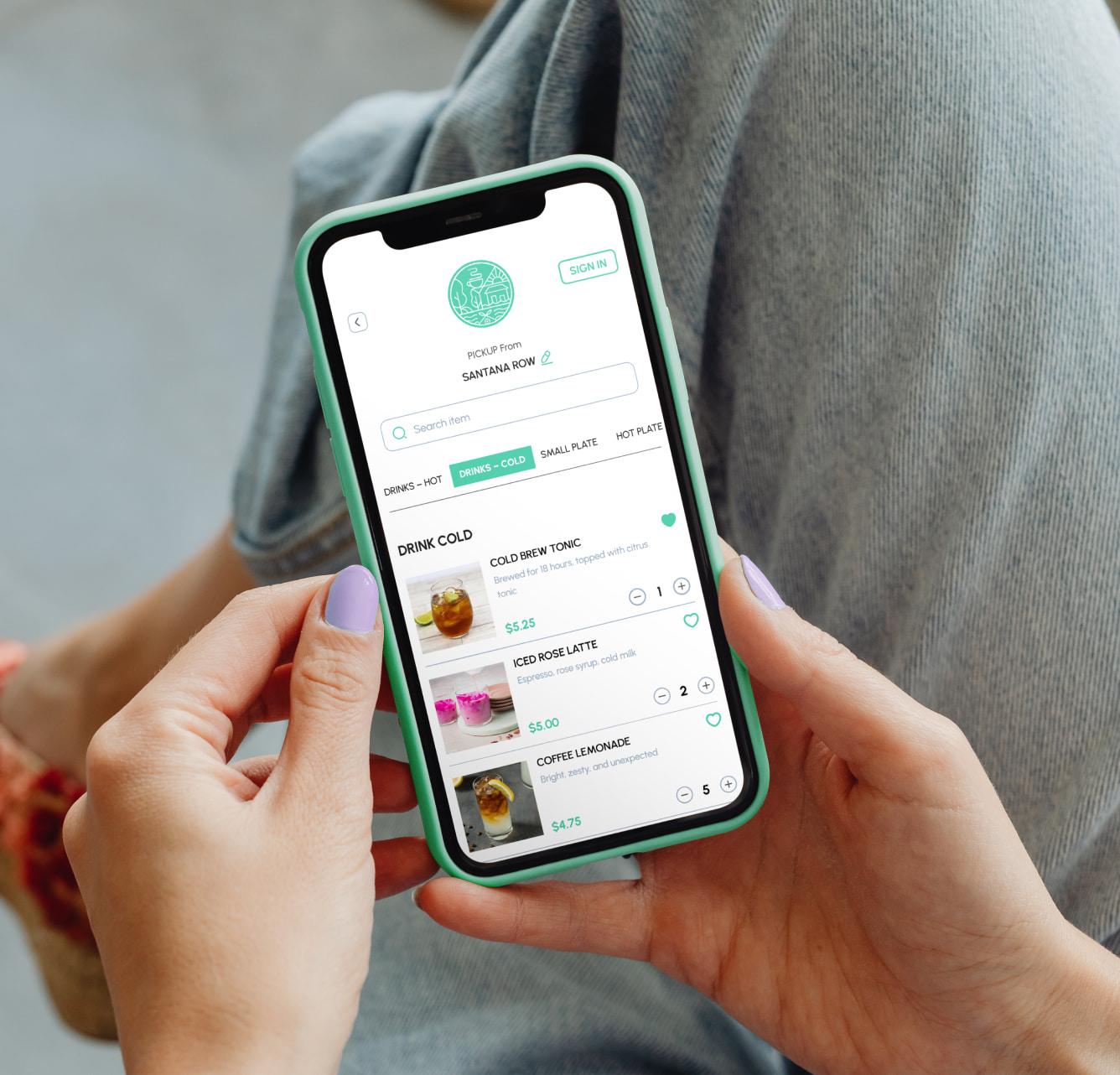
Traditional loyalty programs relied on physical punch cards or plastic membership cards—simple systems that often led to lost cards, frustrated customers, and limited data collection. Modern restaurant loyalty apps have revolutionized this experience, offering digital, real-time, and personalized engagement through customers' smartphones.
Today's loyalty apps enable instant reward tracking, push notifications for special offers, mobile ordering capabilities, and seamless payment options through digital wallets. This creates a frictionless experience where customers can scan, order, earn, and redeem—all within seconds and without fumbling for physical cards.
Without a loyalty system in place, restaurants often struggle with:
- Low Customer Retention
Without rewards or reasons to return, even satisfied guests may not come back—driving up marketing costs and reducing revenue consistency. - Limited Guest Engagement
Without ongoing offers or personalized touchpoints, customers may lose interest. Loyalty software keeps your brand in their minds and their inboxes. - Lack of Customer Insight
Without purchase data, it's hard to understand what customers want, how often they visit, or how much they spend. Loyalty platforms turn transactions into actionable insights. - Competitive Disadvantage
With 47.4% of restaurant customers enrolled in at least one loyalty program, restaurants without mobile loyalty options risk losing customers to competitors who offer convenient digital rewards.
Modern loyalty tools often work hand-in-hand with your online ordering and POS systems, allowing you to track purchases, award points, trigger promotions, and unify data across all touchpoints—from web to app to in-store. When integrated properly, loyalty isn't just a marketing tool—it becomes a core part of your restaurant's operating system.
Essential Mobile App Features
As restaurant loyalty increasingly moves to mobile, these app-specific features have become critical differentiators:
- Progress Visualization: Visual elements like progress bars and point counters (as seen in Starbucks and Dunkin' apps) create anticipation and drive repeat purchases as customers see themselves getting closer to rewards.
- Push Notifications: Timely, personalized alerts about rewards, special offers, or expiring points can increase engagement by up to 88% compared to email campaigns.
- Gamification Elements: Interactive challenges, badges, and limited-time promotions (like Chipotle's "Guac Mode" or McDonald's Monopoly game) turn loyalty into an engaging experience rather than just a transaction.
- Digital Wallet Integration: Seamless payment options through Apple Pay, Google Pay, or in-app payment systems reduce friction and increase order frequency.
- Order Ahead Functionality: The ability to order and pay within the same app as the loyalty program creates a unified experience that drives both convenience and repeat usage.
- Personalized Recommendations: AI-driven suggestions based on past orders help increase average check size while making customers feel understood.
- Easy Onboarding: Simple sign-up processes with immediate rewards (like Panera's instant 10 points on download) encourage adoption and first-time usage.
The most effective restaurant loyalty programs combine these features into a cohesive experience that feels valuable to customers while delivering measurable results for operators.
Benefits of Using a Restaurant Loyalty App
Implementing a dedicated restaurant loyalty app delivers measurable advantages that extend far beyond simple discount management. Here's why leading restaurants are investing in mobile-first loyalty solutions:
Business Benefits
- Higher Customer Retention: Loyalty members visit 20% more frequently than non-members, with engaged app users showing up to 35% higher visit frequency.
- Increased Average Check: Loyalty program members spend an average of 6% more per visit than non-members, with premium tier members spending up to 18% more.
- Reduced Marketing Costs: Acquiring a new customer costs 5-25x more than retaining an existing one. Loyalty apps provide direct communication channels without third-party fees or commissions.
- Valuable Customer Data: Apps collect granular data on ordering patterns, preferences, and behaviors that can inform menu development, pricing, and operational decisions.
- Revenue Stability: Brands like Starbucks generate over 50% of their revenue from rewards members, creating predictable income even during seasonal slowdowns.
- Competitive Differentiation: In crowded markets, a well-designed loyalty app can be the deciding factor when customers choose where to dine.
Customer Benefits
- Convenience: Mobile apps eliminate the need to carry physical cards, remember account numbers, or manually track rewards.
- Personalization: Customers receive offers tailored to their preferences and past ordering behavior, making promotions more relevant.
- Instant Gratification: Real-time point accumulation and reward availability create immediate satisfaction compared to delayed reward systems.
- Exclusive Access: App members often receive early access to new menu items, special events, or limited-time offers.
- Streamlined Ordering: Integrated ordering capabilities save time by remembering preferences and payment methods.
- Recognition: Tiered programs acknowledge and reward loyal customers, creating emotional connections beyond transactions.
The data confirms these benefits: restaurants implementing mobile loyalty apps report an average 23% increase in visit frequency among program members and up to a 30% boost in customer lifetime value. For operators focused on profitability, loyalty apps deliver one of the highest ROIs among all marketing investments.
Key Features to Look for in Loyalty Software
Let’s look into some key features you need to look for when choosing loyalty software for your restaurant:
- Customizable Rewards
The best loyalty platforms let you tailor your program to fit your brand—whether that’s simple points-based restaurant rewards program, tiered memberships, or personalized promotions based on guest behavior. - Seamless Integration
Look for software that integrates effortlessly with your POS, online ordering, and CRM systems. This ensures accurate tracking of purchases and automatic reward updates—no manual entry, no missed redemptions. - Real-Time Analytics
Insightful reporting tools let you measure what matters: reward redemption rates, campaign performance, customer lifetime value, and churn risk. Good data = better decisions. - Multi-Channel Engagement
Strong platforms let you engage customers across SMS, email, in-app messages, and push notifications—helping you stay top-of-mind and increase repeat visits across all touchpoints. - User-Friendly Experience
Both your customers and staff should find the system easy to use. Guests should be able to view points and redeem rewards instantly, while your team can manage campaigns without needing technical support.
How to Launch a Restaurant Loyalty App: Best Practices
Launching a successful restaurant loyalty app requires strategic planning and thoughtful execution. Here are proven best practices to maximize adoption and engagement:
- Choose the Right Reward Structure
Decide between points-based systems (1 point per dollar), visit-based rewards (buy 10, get 1 free), or tiered programs (silver, gold, platinum levels). Points-based systems work well for varied check sizes, while visit-based programs are simpler for quick-service concepts. Consider your margins when determining reward values—aim for rewards that feel generous while maintaining profitability. - Offer Immediate Value
Start users with bonus points or a welcome reward upon download. Starbucks offers 25 stars and Chipotle provides free chips and guacamole to new members. This immediate gratification increases the likelihood of continued engagement by up to 72%. - Create a Frictionless Onboarding Process
Keep sign-up simple—request only essential information (name, email, phone) and allow social media login options. Each additional field in your registration form reduces completion rates by approximately 10%. - Promote Strategically
Train staff to mention the app during checkout, include QR codes on receipts and table tents, and add app download prompts to your website and social media. In-person promotion by staff can increase download rates by up to 35% compared to passive marketing. - Implement Progress Visualization
Show customers how close they are to their next reward using progress bars or point counters. This creates a psychological "endowed progress effect" that can increase completion rates by up to 40%. - Use Push Notifications Wisely
Send relevant, timely notifications about rewards, special offers, or expiring points—but limit frequency to avoid fatigue. The sweet spot is 1-2 notifications per week, with personalized messages showing 4x higher engagement than generic ones. - Reward High-Margin Items
Design promotions that encourage purchase of high-margin menu items or drive traffic during slow periods. For example, offer double points on appetizers or happy hour visits. - Gather Feedback and Iterate
Regularly survey app users about their experience and use analytics to identify drop-off points or underutilized features. Successful programs typically undergo 3-4 significant revisions in their first year based on user feedback.
Remember that effective loyalty programs balance value for customers with business objectives. The most successful restaurant loyalty apps deliver a seamless experience that feels rewarding while driving measurable improvements in visit frequency, check size, and customer lifetime value.
Now Lets Compare The Top Restaurant Loyalty Software Solutions in 2025
To help you choose the right fit, we’ve broken down six of the leading loyalty platforms for restaurants—highlighting their key features, drawbacks, and pricing so you can make a confident, informed decision for your business.
RestoLabs
RestoLabs is a restaurant-first digital ordering platform with integrated loyalty tools, tailored especially for QSRs, small-to-medium chains, and independent operators looking to grow without the complexity (or price tag) of enterprise solutions. Rather than being a loyalty-first platform, Restolabs stands out for embedding loyalty directly into the ordering journey, helping restaurants retain customers while driving repeat orders—all with zero commissions.
Restaurants can quickly set up online menus and branded ordering portals, and use built-in tools like points-based rewards, unlimited coupons and push notifications to build customer engagement. Its omnichannel flexibility lets guests order via website, mobile, QR code, or even a restaurant’s Facebook page, while robust POS and payment integrations keep operations smooth behind the scenes.
Features Highlight:
- Points-Based Rewards: Encourage repeat visits with a loyalty system that rewards customers for every purchase.
- Digital Coupons: Create unlimited discount codes and targeted promotions with ease.
- Push Notifications: Deliver real-time offers and updates to drive conversions and engagement.
- Display Marketing: Highlight active deals prominently during the ordering journey to improve upsells and conversions.
- Omnichannel Access: Accept orders via mobile, web, Facebook, or even QR code, wherever your customers prefer to engage.
- POS Integration: Syncs with major POS platforms to streamline operations and eliminate manual data entry.
- Third-Party Compatibility: Integrates with external loyalty apps, delivery services, feedback tools, and analytics platforms.
- 50+ Gateway Integrations: Accept payments through a wide range of processors.
- Multiple Payment Methods: Support for online payments, Cash on Delivery (COD), and card-on-delivery options.
Where It Can Improve:
- Loyalty is functional but basic: Fancy gamification features like progress bars, badges, etc. are not available.
- Design template is limited: Fewer template options compared to design-centric platforms.
Pricing:
Under Basic and Premium plans, you can opt for a 30-day free trial
Como
Como (also known as Como Sense) is a robust customer loyalty and engagement platform built for restaurants that want to go beyond basic rewards. Designed with multi-location operators and QSR chains in mind, Como combines AI-based personalization, gamified experiences, and deep POS integrations to deliver sophisticated loyalty programs that drive repeat business. Brands like Burger King and Quiznos have adopted Como to launch fully branded mobile apps, run advanced promotions, and gain granular insight into customer behavior, all from one centralized dashboard. For restaurant groups ready to scale, Como acts as a loyalty engine and CRM, capable of executing complex campaigns across locations with automation and precision.
Features Highlights:
- Custom-Branded Mobile Apps: Build a fully white-labeled app for your restaurant to engage customers directly.
- Flexible Loyalty Structures: Supports points, tiers, digital punch cards, cashback rewards, and more.
- Gamified Campaigns: Add fun elements like spin-the-wheel, digital scratch cards, and surprise gifts to increase user engagement.
- Automated Promotions & Coupons: Set up intelligent, triggered campaigns based on behavior, spend, or inactivity.
- Audience Segmentation: Automatically segment your audience and personalize offers based on spend patterns and visit history.
- POS & Payment Integration: Deep integration with major POS systems for seamless data capture and redemption at checkout.
- Multi-Location Management: Consolidate loyalty and marketing efforts across branches with location-level control.
Where Can Como Improve:
- Steep learning curve: Full feature adoption requires time, internal resources, and familiarity with CRM tools.
- Onboarding and integration delays: Some restaurants reported months-long implementation timelines and setup.
- Long contracts: Long-term agreements make it difficult to switch if the platform underdelivers.
Pricing:
- No public pricing tiers available.
- Custom quotes only, provided after a sales consultation and price depends on features and number of locations.
Hang
Hang is a modern loyalty and customer engagement platform that reimagines rewards through the lens of gamification, personalization, and data-rich experiences. Built for brands that want more than points-for-purchases, Hang enables restaurants to create interactive, viral, and emotionally resonant loyalty programs that drive both frequency and spend. With the ability to reward customers across online orders, in-store visits, delivery apps, and even social media engagement, Hang offers a truly omnichannel approach to loyalty, delivering attribution and reward mechanisms wherever the customer journey happens. It’s a great fit for forward-thinking restaurant groups seeking to make loyalty fun, measurable, and growth-focused.
Features Highlights:
- Gamified Loyalty Experiences: Offer “spin-the-wheel” promos, mystery boxes, and quests to keep users engaged and emotionally invested.
- AI Personalization Engine: Customize offers and messaging based on individual purchase behavior and lifecycle stage.
- Omnichannel Attribution: Reward customers for purchases across in-store, online, and third-party delivery channels.
- Segmented Campaign Targeting: Create dynamic audience groups based on behavior, spend history, and engagement frequency.
- No-Code Campaign Builder: Launch personalized loyalty journeys quickly—no technical resources required.
- Real-Time Analytics Dashboard: Monitor campaign performance, ROI, and customer LTV through unified reporting.
Where Can Hang Improve:
- Still maturing: As a newer platform, Hang is evolving rapidly, but may lack the ecosystem depth of older players. Still proving itself across broader markets and integrations.
- Requires a strategic mindset: Gamified and social features are powerful—but demand thoughtful planning and marketing alignment to fully capitalize on.
- May be complex for small teams: Best suited for mid-sized or larger restaurant groups with digital/marketing capabilities.
Pricing:
- No public pricing available.
- Custom quotes are provided after a demo and business consultation. Likely positioned in the premium tier, given its high-touch onboarding and advanced features.
Incentivio
Incentivio Incentivio is a full-stack digital engagement platform designed for restaurant chains ready to invest heavily in enterprise grade, loyalty-driven growth. By combining mobile ordering, branded apps, and a loyalty system under one roof, Incentivio enables more complex marketing automation and customer lifecycle tracking. While the platform shines for larger, multi-location brands with in-house tech or marketing teams, its depth and cost may be more than what fast-growing or resource-conscious restaurants need—making it a better fit for those pursuing a comprehensive digital strategy.
Features Highlights:
- Integrated Loyalty + Ordering: Combine loyalty programs directly within branded web and mobile ordering experiences.
- Customizable Rewards: Design your own loyalty structure—points, tiers, offers, and time-based promotions included.
- Branded Mobile App: Launch a white-labeled app for iOS and Android, giving you full control of the customer experience.
- Automated Marketing Tools: Trigger personalized campaigns via email, SMS, and push notifications based on behavior and engagement.
- Multi-Location Management: Manage all stores from one dashboard while tailoring offers per location if needed.
Where Can Incentivo Improve:
- Delayed Onboarding Timelines: Although Incentivio promises a 4–6 week setup, some users experienced delays of up to 13 weeks, citing slow communication and missed milestones during the onboarding process.
- Setup & Configuration Errors: Reports include issues like incorrect branding (fonts/colors), recurring menu sync failures, and configuration inconsistencies that took weeks to resolve.
- Guest Account Migration Challenges: Transferring guest data—especially from platforms like Toast—has proven difficult. In some cases, identifiers were missing during import, requiring manual intervention and troubleshooting by the restaurant team.
- Delayed Reward & Balance Updates: Loyalty balances and reward redemptions can take up to 48 hours to reflect, limiting real-time visibility and causing confusion for both staff and guests during redemption.
- Restricted Backend Control: The admin dashboard is reported to be outdated and limited in functionality. Routine updates—such as branding changes or adjustments to rewards—often require contacting the support team.
- Limited Gift Card Flexibility: Features like automatic account linking (common in systems like Toast) are not available, requiring guests to use physical cards or QR codes to redeem gift balances.
- Support Quality Concerns: Some users have described customer support as slow or unresponsive, particularly during high-impact moments like launch or migration.
Pricing:
- $249 per month (Provides a free demo)
- Beyond a high setup fee (reported as $3,000 in some cases), the platform may include per-order fees for online and delivery transactions.
Punchh (by PAR Technology)
Punchh is one of the most established and widely used enterprise loyalty platforms in the restaurant industry. Built for high-volume QSR and fast-casual brands, Punchh offers a highly flexible and scalable loyalty solution that integrates deeply with POS systems, online ordering, and mobile apps. Known for powering programs for brands like Taco Bell, Pizza Hut, and Denny’s, it goes beyond simple points systems to enable tiered rewards, gamification, segmentation, and personalized offers. Punchh is positioned at the top-end of the loyalty market, making it best suited for large-scale chains.
Features Highlights:
- Omnichannel Loyalty Integration: Tracks and rewards customer activity across in-store, mobile, web, and third-party marketplaces.
- Flexible Program Design: Supports points, tiers, VIP levels, birthday rewards, and even custom promotions like trivia, surveys, or games.
- Customizable Mobile App Support: Integrates loyalty into branded mobile apps with a seamless guest experience.
- Punchh Wallet & Subscription Offers: Through its custom mobile wallet, customers can access offers, earn rewards, and complete transactions with a single scan—streamlining checkout and enhancing the guest experience.
- Advanced Customer Analytics : The platform collects data from every touchpoint to build detailed customer profiles, providing deep insight into spending behavior and enabling targeted marketing based on individual preferences.
Where Can Punchh Improve:
- Customer Support Challenges: Several users have reported poor support experiences, including slow response times and difficulty reaching support through multiple communication channels.
- Complex and Time-Consuming Interface: Punchh’s backend interface is often described as non-intuitive. Simple tasks—like setting up a campaign or modifying loyalty rules—can be time-consuming, sometimes taking up to an hour to complete.
- Limited Reporting Usability: While rich data is available, the reporting tools lack a user-friendly dashboard. Many users are forced to work with raw CSV exports to extract insights, leading to inefficiencies and delays in campaign analysis.
Pricing:
The default plan goes up to $2,000 per month. However, more details can be acquired by requesting a quote.
- Pricing is based on custom enterprise contracts and varies depending on:
- Number of locations
- Volume of loyalty members
- Features implemented (e.g. mobile app, gamification, integrations)
- Typically includes:
- A one-time setup fee
- A monthly licensing/subscription fee
- Multi-year contract commitment
Spoonity
Spoonity is a loyalty platform built specifically for quick-service restaurants, cafés, and beverage chains, offering a straightforward and effective way to launch branded rewards programs. Known for its ease of use, fast deployment, and mobile-first approach, Spoonity enables businesses to boost customer retention through points-based incentives, gift card integration, and simple analytics.
Features Highlights:
- Customizable Rewards Programs: Create point-based or visit-based loyalty structures tailored to your brand’s goals and customer behavior.
- Branded Mobile Loyalty App : Deliver a smooth, on-the-go customer experience through a fully branded app that displays rewards, balances, and promotions.
- Gift & e-Gift Cards : Encourage repeat visits and new customer acquisition by offering shareable, reloadable gift cards.
- Loyalty Analytics Dashboard : Access real-time insights into spending patterns, visit frequency, and redemption trends to refine campaign strategies.
Where Spoonity Can Improve:
- Limited Redemption Flexibility : Points earned through Spoonity programs are typically redeemable only as store credit or discounts—there is no cash-back or external reward option, which may limit appeal for certain guests.
- Basic Analytics Tools : While data is available in real time, some users have described the reporting capabilities as limited, lacking the depth and visualization found in larger enterprise platforms.
- Past Integration & Support Issues : Earlier users reported challenges with POS integration promises not being fulfilled, as well as delayed response times from customer support—though these issues appear to have improved in recent years.
- Limited Self-Service Features : More advanced configuration options or UI customization may require Spoonity’s team to intervene, making it less flexible for operators who want full in-house control.
Pricing: Basic plan costs $79 per month. However, more details can be acquired by requesting a quote
Real-World Examples of Successful Restaurant Loyalty Apps
To understand what makes a restaurant loyalty app truly effective, let's examine some of the most successful implementations in the industry:
Common Success Factors
Despite their differences, these successful restaurant loyalty apps share several key characteristics:
- Simplicity: Easy-to-understand reward structures that customers can explain in one sentence
- Integration: Seamless connection between loyalty, ordering, and payment functions
- Personalization: Offers tailored to individual preferences and behavior
- Engagement Mechanics: Elements like limited-time offers, challenges, or tiers that drive continued participation
- Value Balance: Rewards that feel generous to customers while maintaining profitability
These examples demonstrate that effective loyalty apps aren't just digital punch cards—they're comprehensive engagement platforms that enhance the entire customer experience while delivering measurable business results.
For Restaurants That Want Loyalty Without the Complexity
Choosing the right loyalty platform depends on your restaurant's size, digital maturity, and long-term goals. While enterprise platforms like Punchh or Incentivio offer powerful loyalty ecosystems, they often come with higher complexity and costs. On the other end, tools like Spoonity and Hang bring creative or lightweight solutions, but may lack full-stack flexibility or proven support.
In this landscape, Restolabs stands out as a balanced, accessible solution—offering both integrated online ordering and loyalty features under one roof, without the enterprise overhead. Trusted by over 2,000 restaurants across 10+ countries, RestoLabs is a leading provider of online ordering solutions with several in-built marketing tools that help you build a robust online presence and consistent revenue growth. For QSRs, fast-casual brands, and multi-location restaurants looking for a cost-effective, scalable, and easy-to-launch loyalty program, Restolabs delivers all the essentials—plus the freedom to grow at your own pace.
Contact us today for a 30-day free trial if you'd like to know more about our platform's capabilities!
Frequently Asked Questions
Restaurant loyalty software is a digital tool that rewards repeat customers, encourages return visits, and provides insights into guest behavior. It often integrates with POS and online ordering systems.
Loyalty platforms help restaurants boost customer retention, increase order frequency, reduce churn, and gather valuable data for personalized marketing.
For independent or small chain restaurants, Restolabs offers a simple, cost-effective loyalty solution integrated directly with online ordering—ideal for growth without high costs.
Punchh and Incentivio are top picks for large QSRs due to advanced CRM features, omnichannel capabilities, and scalability—but may be complex for smaller teams.
Yes. Como, Incentivio, and Punchh offer fully branded mobile apps with built-in loyalty systems, allowing seamless engagement and tracking.